
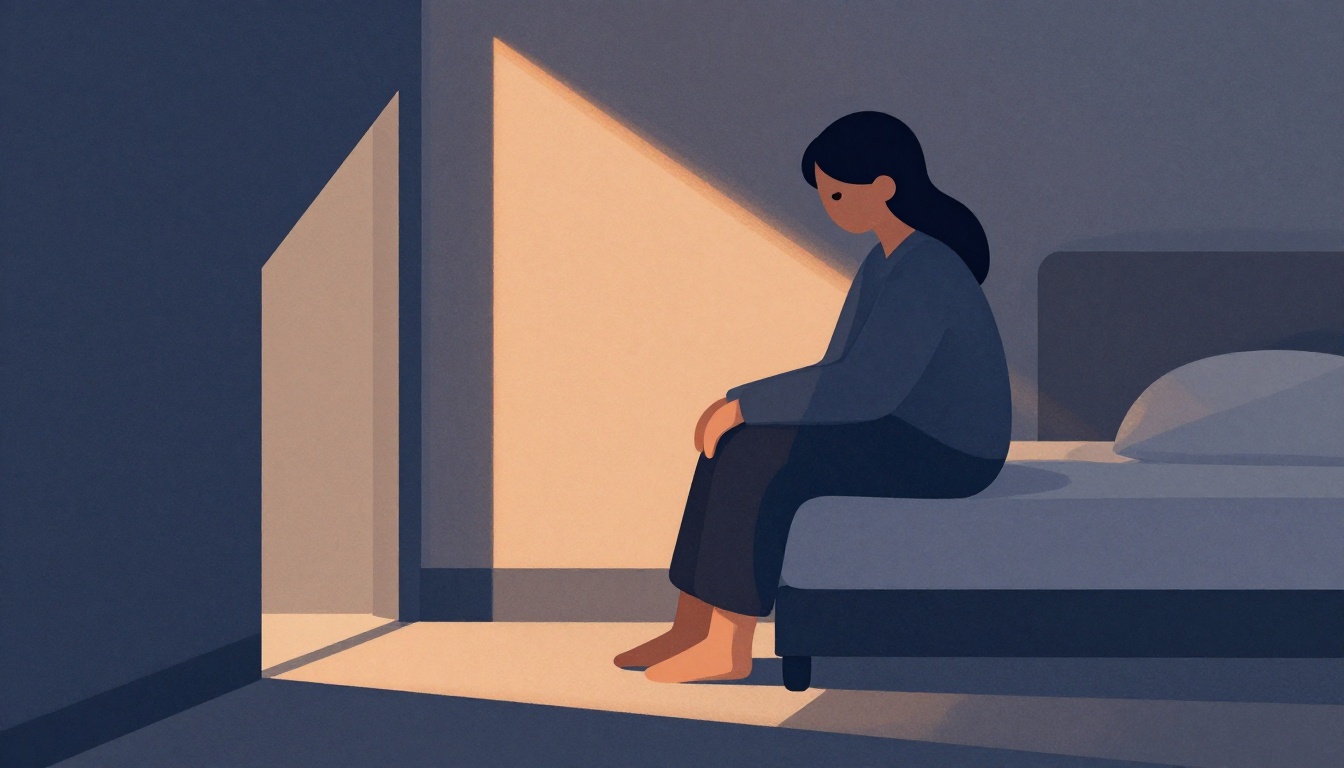
If you wake up feeling tense, wired, or already behind, your body may still be living in a stress loop from yesterday. For trauma survivors, the morning is not just another part of the day—it is a physiological crossroads. Research shows that trauma dysregulates cortisol, the body's main stress hormone, and this disruption is especially pronounced in the first hour after waking. Understanding why your morning routine matters for trauma recovery can help you build habits that support nervous system regulation rather than reinforce survival mode.
Which of the following best describes the Cortisol Awakening Response (CAR) in people with PTSD?
Select one answer.
How trauma changes your morning biology
Cortisol follows a natural daily rhythm: it rises sharply in the morning to help you wake up, then gradually declines throughout the day. This predictable rise is called the Cortisol Awakening Response (CAR). In people with PTSD, this response is often blunted or flattened, meaning they wake up feeling exhausted, foggy, or disconnected rather than alert and refreshed. Studies have found that PTSD is consistently associated with lower cortisol output during the first hour after waking (source: PMC).
A dysregulated cortisol rhythm affects more than energy. It influences mood, immune function, blood pressure, and the ability to feel safe in your own body. When your nervous system is stuck in a sympathetic dominant state—the fight-or-flight mode—your morning alarm can feel like a threat rather than a gentle transition.
What a nervous system reset morning routine does
A morning routine designed for trauma recovery uses sensory awareness, gentle breath, and small movements to remind your body it is allowed to rest again. Instead of jolting into phone alerts or coffee jitters, you practice orienting, grounding, and regulating. In essence, you are retraining your body to wake up without alarm inside (source: NeuroTone).
This kind of routine helps shift your nervous system from sympathetic dominance toward parasympathetic dominance—the calming state where you feel safe, balanced, and confident. When your nervous system is parasympathetically dominant, your alarm does not get triggered as often, and when it does, you can return to a sense of safety more quickly (source: Therapy in a Nutshell).
A 5-step morning routine for trauma recovery
Here is a practical, research-backed sequence you can adapt to your own needs. Start with just one or two steps and build gradually.
1. Wake without shock
Before getting out of bed, feel the weight of your body. Let your breath drop low into your belly. If your mind races, gently look around the room and name three things you see. This orienting step signals the brain that there is no threat here.
2. Feel your feet
Sit up and plant both feet on the floor. Press them slightly into the ground. Feel the texture under your toes. This brings your awareness out of racing thoughts and into physical safety.
3. Hydrate and nourish
Drink water before caffeine, and eat something with protein and complex carbs within 45 minutes of waking. This stabilizes your blood sugar, helping you avoid mid-morning crashes or panic flutters that can trigger a stress response.
4. Reset through breath and small movement
Spend five minutes combining breath and gentle motion: inhale through the nose for four counts, exhale through the mouth for six. Add a light sway, shoulder roll, or soft yawn. Gentle movement like yoga, walking, or stretching helps metabolize excess cortisol and releases mood-boosting endorphins (source: Serenium Wellness).
5. Step into light
Morning sunlight helps regulate your circadian rhythm and tells your body it is time to wake gently. Even two minutes near a window with a warm drink can help.
What to avoid in the morning
Certain habits can undermine your nervous system regulation before your day even starts:
- Checking your phone first thing: Notifications, news, and social media can trigger a stress response before you have had a chance to ground.
- Caffeine on an empty stomach: Caffeine spikes cortisol, and without food to buffer it, this can amplify anxiety and jitteriness.
- High-intensity exercise: Intense workouts first thing can further elevate cortisol in a system that may already be dysregulated. Save intense movement for later in the day.
- Rushing: Moving quickly from bed to out the door keeps your nervous system in sympathetic mode. Build in buffer time.
How to know if your routine is working
Signs that your morning routine is supporting your nervous system include:
- You feel more awake and alert without relying on caffeine
- Morning anxiety or dread decreases over time
- You feel more present and less dissociated during the first hour of the day
- Your energy is more stable throughout the morning
If you feel worse or more anxious when trying these practices, your system may need a different entry point. Some people find that breathing exercises trigger anxiety at first. In that case, focus on grounding through the senses—feeling your feet, noticing sounds, or holding something with texture.
The bottom line
Your morning routine is not just about productivity—it is a daily opportunity to signal safety to your nervous system. By replacing shock-based waking with gentle, predictable steps, you can gradually retrain your body to start the day from a place of regulation rather than survival. Small, consistent changes compound over time, helping you build the resilience that trauma recovery requires.
How the Resident Expert Can Help
If you are ready to build a morning routine that supports your unique nervous system, working with a trauma-informed professional can make all the difference. Kelly Pienaar Counselling offers online counseling and coaching focused on nervous system regulation and trauma recovery. Kelly's body-aware methodology helps clients move from chronic overwhelm to self-trust, providing practical tools for stability and healing.
Quiz: Test your understanding
Which of the following best describes the Cortisol Awakening Response (CAR) in people with PTSD?
A. It is often blunted or flattened, leading to difficulty waking and low morning energy B. It is typically elevated, causing hyperarousal and panic upon waking C. It follows the same pattern as in healthy individuals, but peaks later in the day