
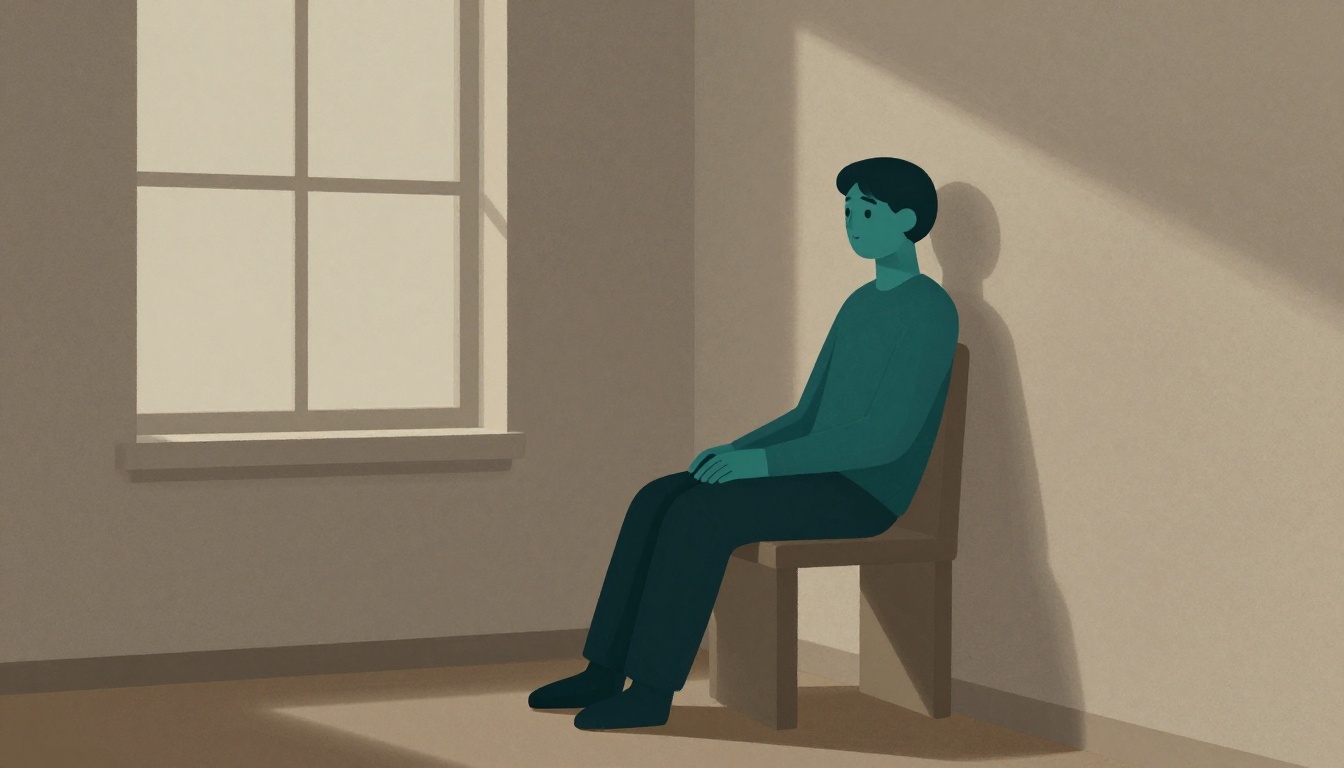
Panic doesn't send a warning. One moment you're fine, the next your heart is pounding, your chest is tight, and your brain is screaming that something is terribly wrong. That sudden surge is your sympathetic nervous system hitting the gas—activating a fight-or-flight response that feels impossible to stop.
But you can stop it. In about 60 seconds.
Grounding techniques are exercises that use your five senses to pull your attention back to the present moment, interrupting the panic loop before it spirals Healthline. When you shift focus from internal alarm signals to something tangible—like the feel of water on your hands—you give your parasympathetic nervous system a chance to step in and apply the brakes.
What is the recommended exhale duration in the 4-7-8 breathing pattern used to activate the vagus nerve?
Select one answer.
The 60-second reset sequence
This sequence combines three fast-acting techniques. Practice it now so it's automatic when you need it.
Step 1: Name five things you see (15 seconds)
Look around and silently name five objects you can see. A lamp. A crack in the wall. The color of your shirt. This simple act forces your brain to engage the visual cortex, pulling energy away from the amygdala's alarm center.
Step 2: Feel three surfaces (15 seconds)
Touch three different textures near you. Run your hand along a wall, grip the arm of your chair, press your palm against a cold window. Focus on the sensation—rough, smooth, warm, cool. Physical input from your hands sends a direct signal to your nervous system that you are safe in this moment Cleveland Clinic.
Step 3: Breathe in a 4-7-8 pattern (30 seconds)
Inhale through your nose for 4 seconds. Hold for 7 seconds. Exhale slowly through your mouth for 8 seconds. Repeat twice. This extended exhale activates the vagus nerve, which triggers the parasympathetic "rest and digest" state and lowers heart rate Therapy Group DC.
Why this works
Panic is a physiological event, not a character flaw. Your nervous system has simply misread a neutral situation as a life-threatening one. Grounding techniques work because they give your brain new, neutral data to process. Instead of feeding the panic with more fearful thoughts, you feed it with sensory facts: the temperature of water, the weight of a book, the sound of your own breath.
When to use this reset
- At your desk when anxiety creeps in before a meeting
- In the middle of the night when you wake up wired
- In a crowded store when you feel the surge coming
- After a triggering conversation or memory
How the Resident Expert Can Help
If panic attacks are disrupting your daily life, you don't have to figure this out alone. Kelly Pienaar offers online counseling and coaching focused on nervous system regulation and trauma recovery. Her body-aware, personalized approach helps clients move from chronic overwhelm to genuine stability and self-trust. Visit Kelly Pienaar Counselling to learn more about how she can support your healing journey.
Quick quiz: Test your knowledge
Before you go, check your understanding of what you just learned.