
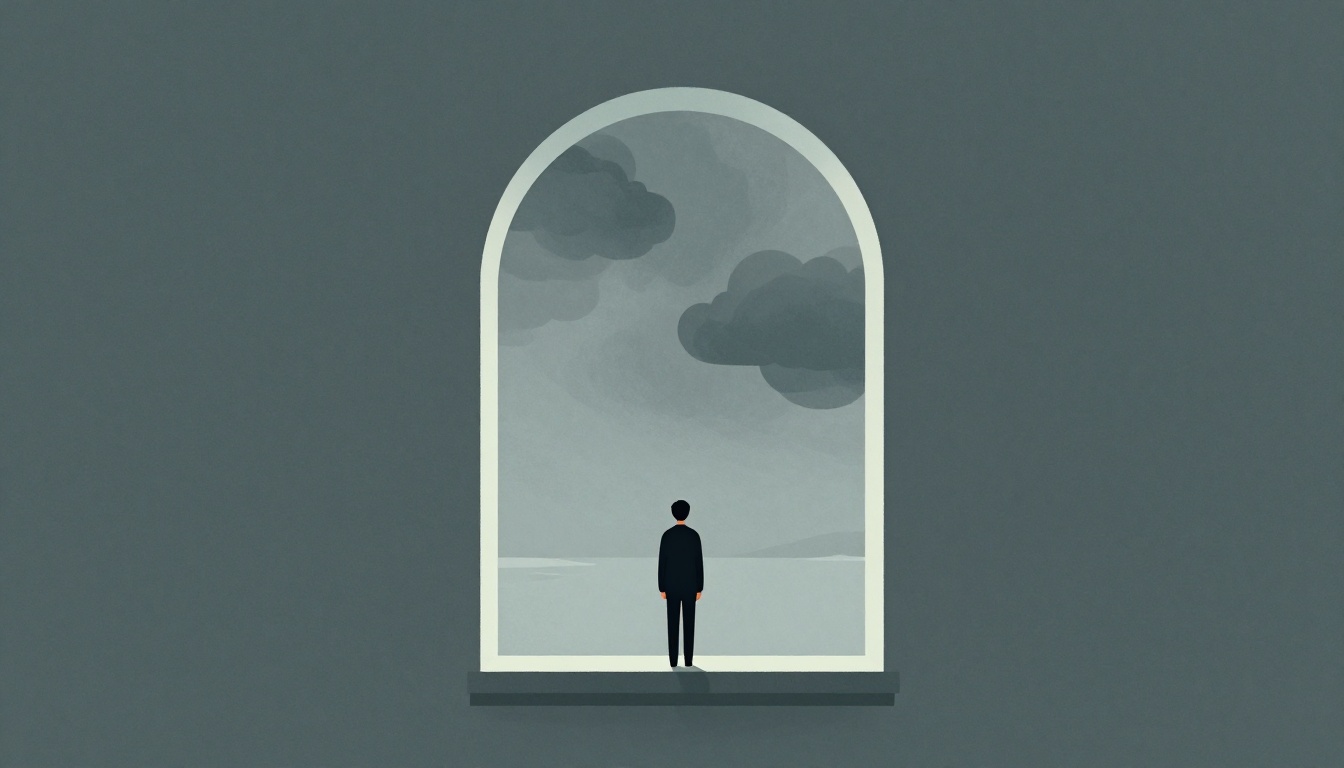
You know the feeling. Your heart is racing, your thoughts are spinning, and a minor comment from your partner sends you into full-blown rage. Or maybe the opposite happens — you go blank, feel nothing, and can't find the words to respond.
Both are signs you've left your window of tolerance.
This concept, developed by psychiatrist Dr. Dan Siegel at the UCLA School of Medicine, describes the optimal zone of nervous system arousal where you can think clearly, manage emotions, and handle everyday stress (Psychology Today, 2022). Inside this window, you feel grounded, present, and capable. Outside it, your survival brain takes over — and you lose access to the part of your brain that helps you plan, communicate, and stay in control.
If you've experienced trauma, your window of tolerance is likely narrower than average. That's not a character flaw. It's a physiological reality. The good news? You can learn to recognize when you're slipping out of it — and build skills to return.
According to the World Health Organization, approximately how many people worldwide were struggling with stress, anxiety, and mental health issues in 2019?
Select one answer.
The Two Directions of Dysregulation
When stress pushes you beyond your window, your nervous system moves in one of two directions.
Hyperarousal is the "too much" state. Your sympathetic nervous system cranks up. You might notice:
- Racing thoughts or spiraling worry
- Irritability or sudden anger
- Feeling "on edge" or hypervigilant
- Tight jaw, clenched fists, shallow breathing
- Difficulty sleeping or relaxing
This is your fight-or-flight response running without a real threat. Your body is preparing for danger that isn't there (NICABM).
Hypoarousal is the "too little" state. Your parasympathetic nervous system slams the brakes. You might experience:
- Emotional numbness or emptiness
- Feeling spaced out or disconnected from your body
- Fatigue that sleep doesn't fix
- Difficulty forming thoughts or speaking
- A sense of collapse or heaviness
This is the freeze response. Your system has decided that fighting or fleeing isn't possible, so it shuts down to conserve energy.
Some people swing between both states — explosive one moment, numb the next. That cycle is exhausting, and it's a clear signal that your window of tolerance needs attention.
How to Spot Your Personal Warning Signs
No two nervous systems look the same. Your early warning signs are unique to you. Start by asking yourself three questions:
- What physical sensations show up first? Maybe your shoulders creep up toward your ears. Maybe your stomach drops.
- What thoughts or behaviors appear? Do you start scrolling endlessly? Picking a fight? Going silent?
- What situations tend to trigger you? Certain conversations, environments, or times of day may reliably push you out of your window.
Track these patterns for one week. A simple note on your phone works. The goal isn't to fix anything yet — just to build awareness.
What to Do When You're Outside Your Window
Once you recognize you've left your window of tolerance, the goal is return, not perfection. Here are three strategies that work:
Ground yourself in the present. Name five things you can see, four you can touch, three you can hear, two you can smell, and one you can taste. This forces your brain to shift from survival mode to sensory input.
Change your body position. If you're in hyperarousal, slow your exhale — breathe out for longer than you breathe in. If you're in hypoarousal, move — stand up, stretch, or press your feet firmly into the floor.
Name what's happening. Simply saying "I'm outside my window of tolerance right now" activates your prefrontal cortex and helps you shift from reaction to observation.
These techniques won't erase the trigger. But they will help your nervous system settle enough that you can choose your next move instead of being driven by survival reflexes.
How to Widen Your Window Over Time
Expanding your window of tolerance is a long-term practice, not a quick fix. Consistent nervous system regulation work — through therapy, somatic practices, mindfulness, and adequate rest — gradually increases your capacity to handle stress without dysregulating (PositivePsychology.com).
Think of it like building a muscle. Each time you notice yourself slipping out of your window and gently guide yourself back, you're strengthening your nervous system's ability to self-regulate.
How the Resident Expert Can Help
If you're tired of feeling like your nervous system is running your life, you don't have to figure this out alone. Kelly Pienaar offers online counselling and coaching built around nervous system regulation and trauma recovery. Her approach is body-aware, practical, and designed for people who feel stuck in survival mode — whether you're navigating complex trauma, narcissistic abuse, ADHD, or just chronic overwhelm. She helps clients move from reactivity to self-trust, one grounded step at a time.