
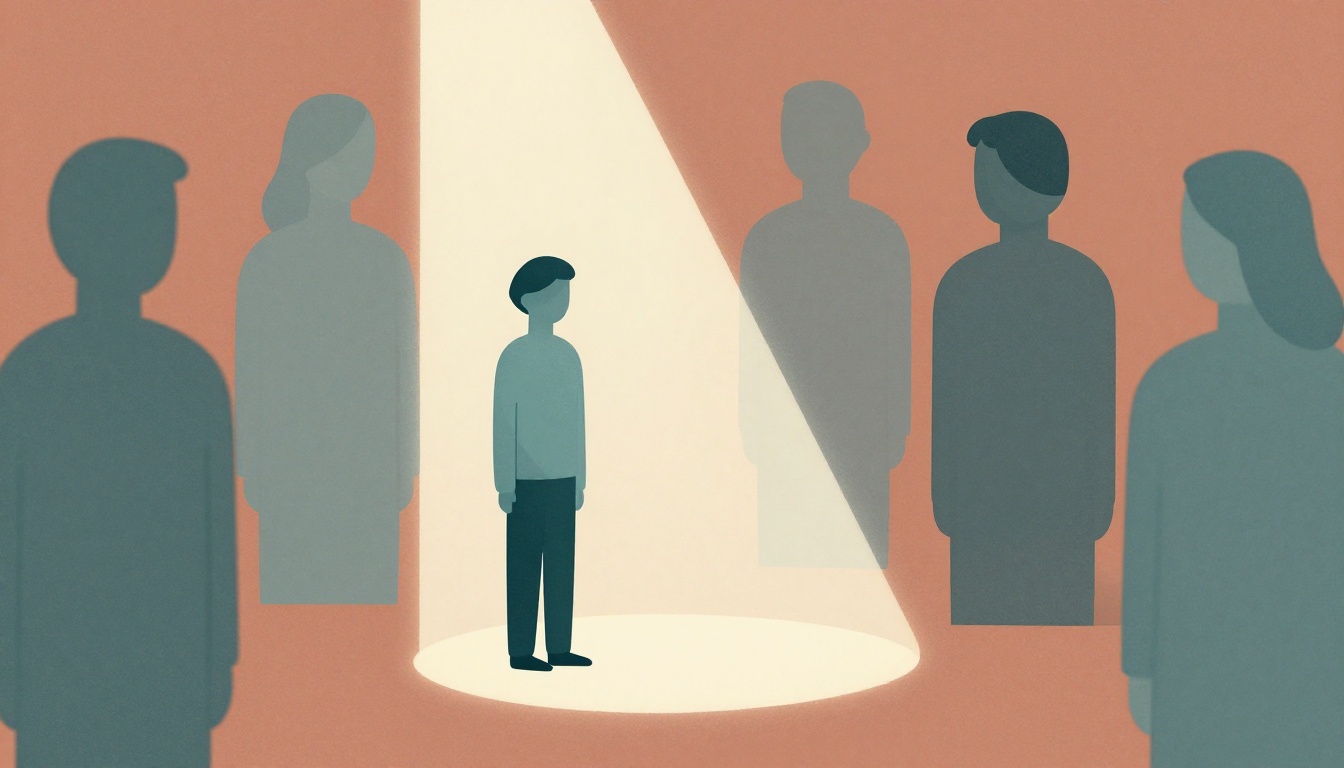
You're searching for answers because your trauma doesn't feel like it fits neatly into one box. Maybe you experienced a single terrifying event, or perhaps the trauma was ongoing—years of emotional neglect, domestic violence, or childhood abuse. The distinction between PTSD and C-PTSD isn't just academic; it shapes the path to recovery.
Which of the following is a key difference between PTSD and C-PTSD?
Select one answer.
What is PTSD?
Post-traumatic stress disorder (PTSD) develops after a single, life-threatening event. Think of a car accident, a physical assault, or a natural disaster. The brain gets stuck in survival mode, replaying the event through flashbacks and nightmares. You avoid reminders, feel constantly on edge, and struggle with negative thoughts about yourself or the world.
According to the U.S. Department of Veterans Affairs, PTSD includes four symptom clusters: re-experiencing, avoidance, negative alterations in mood and cognition, and hyperarousal. These symptoms last more than a month and significantly impair daily life.
What is C-PTSD?
Complex PTSD (C-PTSD) comes from repeated, prolonged trauma—especially in situations where escape was impossible. This includes chronic childhood abuse, domestic violence, human trafficking, or prolonged captivity. The trauma doesn't just happen once; it becomes woven into your sense of self.
The World Health Organization recognized C-PTSD as a distinct diagnosis in the ICD-11 in 2019. It includes all PTSD symptoms plus three additional clusters: emotional dysregulation, a negative self-concept (feeling worthless or defeated), and interpersonal difficulties.
Key differences at a glance
| Feature | PTSD | C-PTSD |
|---|---|---|
| Cause | Single event | Repeated, prolonged trauma |
| Self-perception | Often intact | Deeply negative self-concept |
| Emotional regulation | Hyperarousal | Difficulty managing emotions |
| Relationships | Avoidance | Persistent relational problems |
| Treatment duration | Often months | Often longer, phased approach |
Why the distinction matters for treatment
PTSD treatment often responds well to focused therapies like EMDR or trauma-focused CBT. A review of 11 studies found that EMDR and TF-CBT were equally effective in reducing PTSD symptoms.
C-PTSD treatment typically takes longer. You're not just processing a memory; you're rebuilding a sense of self and learning to trust others. A phased approach is common: first stabilize symptoms, then process trauma, then integrate a new identity.
How to know which one applies to you
Ask yourself these questions:
- Was the trauma a single event or did it happen repeatedly over months or years?
- Do you feel fundamentally flawed or worthless because of what happened?
- Do you struggle to name or manage your emotions?
- Are relationships consistently difficult, even with safe people?
If you answered yes to the last three, C-PTSD may be a better fit. But remember: labels are tools, not cages. What matters most is finding a therapist who understands complex trauma and works with your nervous system.
What you can do right now
- Track your triggers. Notice what situations spike your anxiety or bring up shame. Write them down.
- Practice grounding. When you feel flooded, name five things you can see, four you can touch, three you can hear, two you can smell, and one you can taste.
- Find a trauma-informed therapist. Look for someone trained in somatic approaches, EMDR, or trauma-focused CBT.
- Be patient with yourself. Healing from complex trauma is not linear. Some days you'll take two steps forward and one back.
How the Resident Expert Can Help
Kelly Pienaar offers online counselling and coaching that centers on nervous system regulation and trauma recovery. Her approach is especially effective for those navigating complex trauma, narcissistic abuse, and ADHD. She creates a safe, body-aware space where you can move from chronic overwhelm to self-trust. Visit Kelly Pienaar Counselling to learn more about her personalized, non-clinical path to healing.
Quiz: Test your understanding
Which of the following is a key difference between PTSD and C-PTSD?