
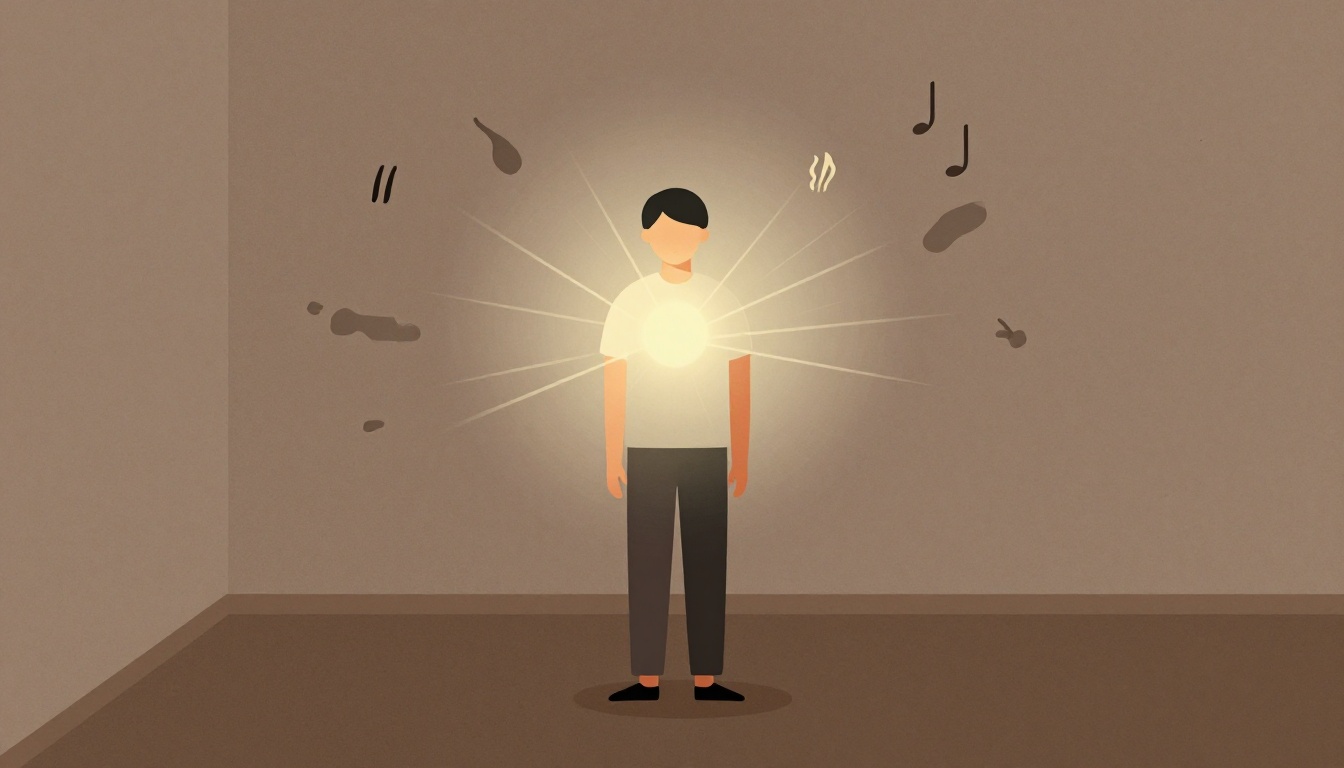
You're going about your day, and suddenly your heart is pounding. Your chest tightens. You feel flooded with fear or anger—and you have no idea why. That's a trauma trigger taking control before you even knew it was there.
Trauma triggers are psychological stimuli that prompt involuntary recall of a past traumatic experience, often as a flashback or intense emotional reaction. They can be anything: a song, a smell, a tone of voice, or even a certain time of year. The key is that the response happens automatically, below conscious thought.
But here's the good news: you can learn to spot your triggers before they hijack your nervous system. This article gives you a practical, three-step method to identify your trauma triggers early—so you can stay grounded and in control.
According to the National Center for PTSD, what percentage of people who experience trauma will develop PTSD?
Select one answer.
Step 1: Track your body's early warning signals
Your body sends signals long before you feel emotionally overwhelmed. These are your internal triggers. Common ones include:
- A racing heart or tight chest
- Shallow breathing or a lump in your throat
- Muscle tension, especially in your jaw, shoulders, or stomach
- Feeling suddenly hot, cold, or shaky
Start a simple log. Each time you notice an unexpected physical reaction, write down:
- What time was it?
- Where were you?
- What happened just before?
Over a week, patterns will emerge. You might notice your jaw clenches every time you hear a certain voice, or your stomach drops when you walk past a specific location.
Step 2: Name the emotional shift
Once you've spotted the physical cue, ask yourself: What emotion am I feeling right now? Common emotional responses to triggers include:
- Intense fear or panic
- Irritability or sudden anger
- Sadness or despair
- Numbness or feeling disconnected
Don't judge the emotion. Just name it. This act of naming activates your prefrontal cortex and helps you step out of the fight-or-flight response.
According to the National Center for PTSD, trauma reminders can be places, people, sounds, or smells that trigger a memory of the event. Recognizing these patterns is the first step to managing them.
Step 3: Identify the external trigger
Now that you know your physical and emotional signals, look for the external stimulus. External triggers can be:
- A specific sound (fireworks, a car backfiring, a song)
- A smell (perfume, smoke, a particular food)
- A person's tone of voice or facial expression
- A location or type of environment
- A date or anniversary
Keep a trigger journal for two weeks. Write down the external cue, your physical reaction, and your emotional response. Over time, you'll see clear patterns.
For example, you might discover that the smell of a certain cologne triggers a panic attack because it reminds you of someone from your past. Or that crowded spaces make you feel trapped because of a previous experience.
What to do when you spot a trigger early
Once you've identified a trigger, you have options. You don't have to wait until you're overwhelmed. Try these grounding techniques:
- 5-4-3-2-1 grounding: Name 5 things you see, 4 you can touch, 3 you hear, 2 you smell, and 1 you taste.
- Slow breathing: Inhale for 4 counts, hold for 4, exhale for 6.
- Move your body: Step outside, stretch, or shake out your hands and feet.
These techniques help your nervous system realize you are safe in the present moment, even though a memory is active.
A quick checklist to start today
- Keep a small notebook or phone note for trigger tracking
- For one week, log every unexpected physical reaction
- Note the emotion that followed
- Identify the external cue (sound, smell, person, place)
- Practice one grounding technique when you notice a trigger early
How the Resident Expert Can Help
Identifying triggers is a powerful first step, but you don't have to do it alone. Kelly Pienaar offers online counseling and coaching focused on nervous system regulation and trauma recovery. Her body-aware approach helps clients move from chronic overwhelm to self-trust and stability. If you're ready to go deeper, visit Kelly Pienaar Counselling to learn more about personalized support for your healing journey.