
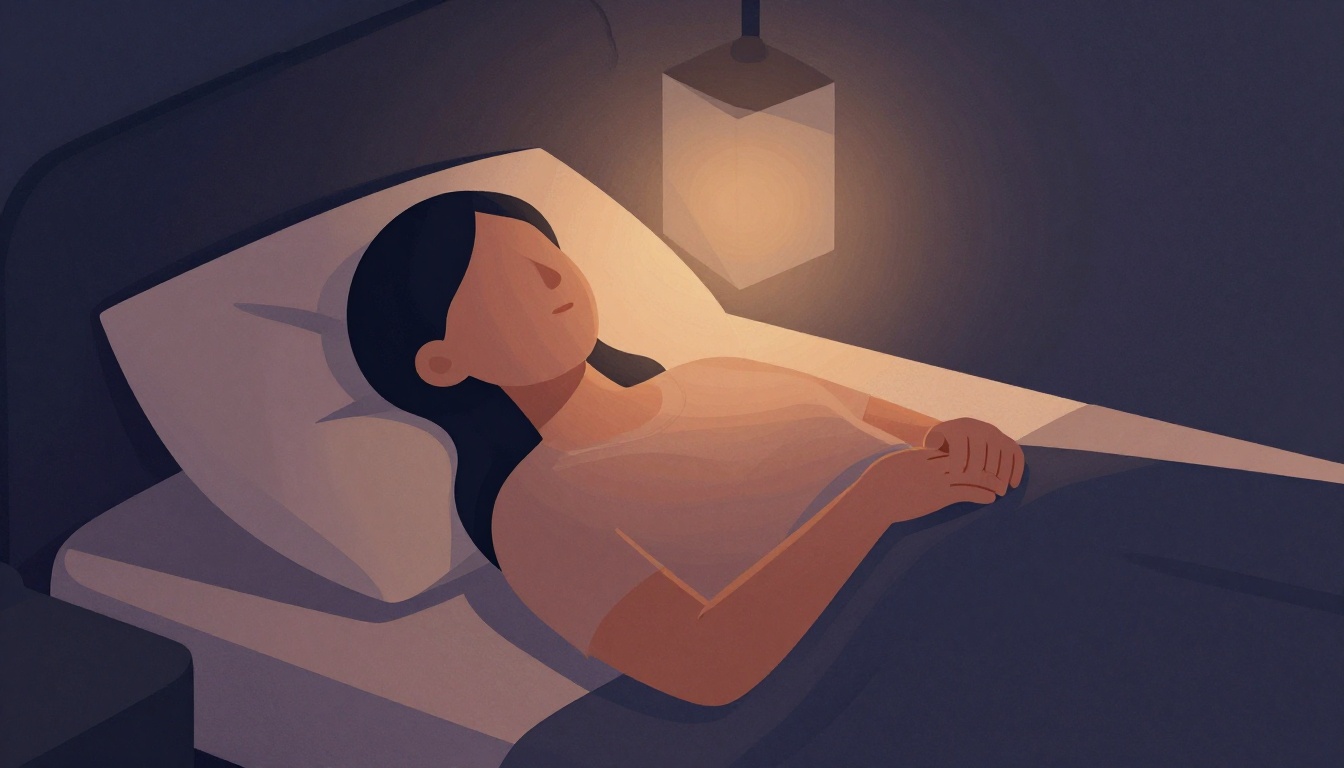
If you're waking up in a cold sweat, heart pounding, after another replay of your trauma, you know the toll it takes. Sleep stops feeling like rest and starts feeling like a battleground. The good news? You don't need a prescription to find relief. Research shows that behavioral therapies are often the first line of treatment for trauma nightmares, and they work by targeting the root cause: a dysregulated nervous system.
Here are five practical, medication-free ways to reduce trauma nightmares and reclaim your sleep.
Which therapy is considered the first-line behavioral treatment for recurrent nightmares?
Select one answer.
1. Try imagery rehearsal therapy (IRT)
Imagery rehearsal therapy is the most researched non-drug treatment for trauma nightmares. It's recommended for all patients with recurrent nightmares, according to a review in US Pharmacist. The idea is simple: you take a nightmare that bothers you, rewrite the ending while you're awake, and practice the new version during the day. Over time, your brain learns a less threatening script. A VA study found IRT significantly reduces nightmare frequency and distress.
2. Build a consistent wind-down routine
Your nervous system needs cues that it's safe to sleep. A predictable, calming pre-bed routine—dim lights, no screens, gentle stretching, or a warm bath—signals your body to shift out of fight-or-flight mode. This isn't fluff; it's nervous system regulation. When your body feels safer, nightmares often lose their intensity.
3. Use grounding techniques before bed
Grounding brings you back to the present moment and out of traumatic memory. Try the 5-4-3-2-1 technique: name five things you see, four you can touch, three you hear, two you smell, and one you taste. Doing this right before sleep can prevent your brain from slipping into a trauma replay during REM.
4. Practice lucid dreaming techniques
Lucid dreaming—becoming aware that you're dreaming while still asleep—can help you change the nightmare's course. Techniques like reality testing (asking yourself throughout the day, "Am I dreaming?") and mnemonic induction (telling yourself before sleep, "I will recognize when I'm dreaming") have shown promise in reducing nightmare distress. A study in Frontiers in Psychology found lucid dreaming therapy reduced nightmare frequency by over 50% in some participants.
5. Regulate your nervous system during the day
Nightmares don't come from nowhere. They're often a sign that your nervous system is stuck in a hyper-aroused state. Practices like slow, deep breathing (inhale for four counts, exhale for six), gentle movement like yoga or walking, and spending time in nature can lower your baseline stress. When your daytime nervous system is calmer, your nighttime brain follows suit.
How the Resident Expert Can Help
You don't have to figure this out alone. Kelly Pienaar is a trauma-informed counselor and coach who specializes in nervous system regulation. Her approach is body-aware, practical, and designed for people who feel stuck in survival mode. She offers online sessions that focus on moving from chronic overwhelm to self-trust. If you're ready to stop fighting your sleep and start healing, visit Kelly Pienaar Counselling to learn more.
Quiz: Test your knowledge
Which therapy is considered the first-line behavioral treatment for recurrent nightmares?
A. Imagery rehearsal therapy B. Cognitive behavioral therapy for insomnia C. Eye movement desensitization and reprocessing